
Learn how to store and test sewing thread for maximum lifespan and quality. Explore premium threads and expert help at Miami Corp.
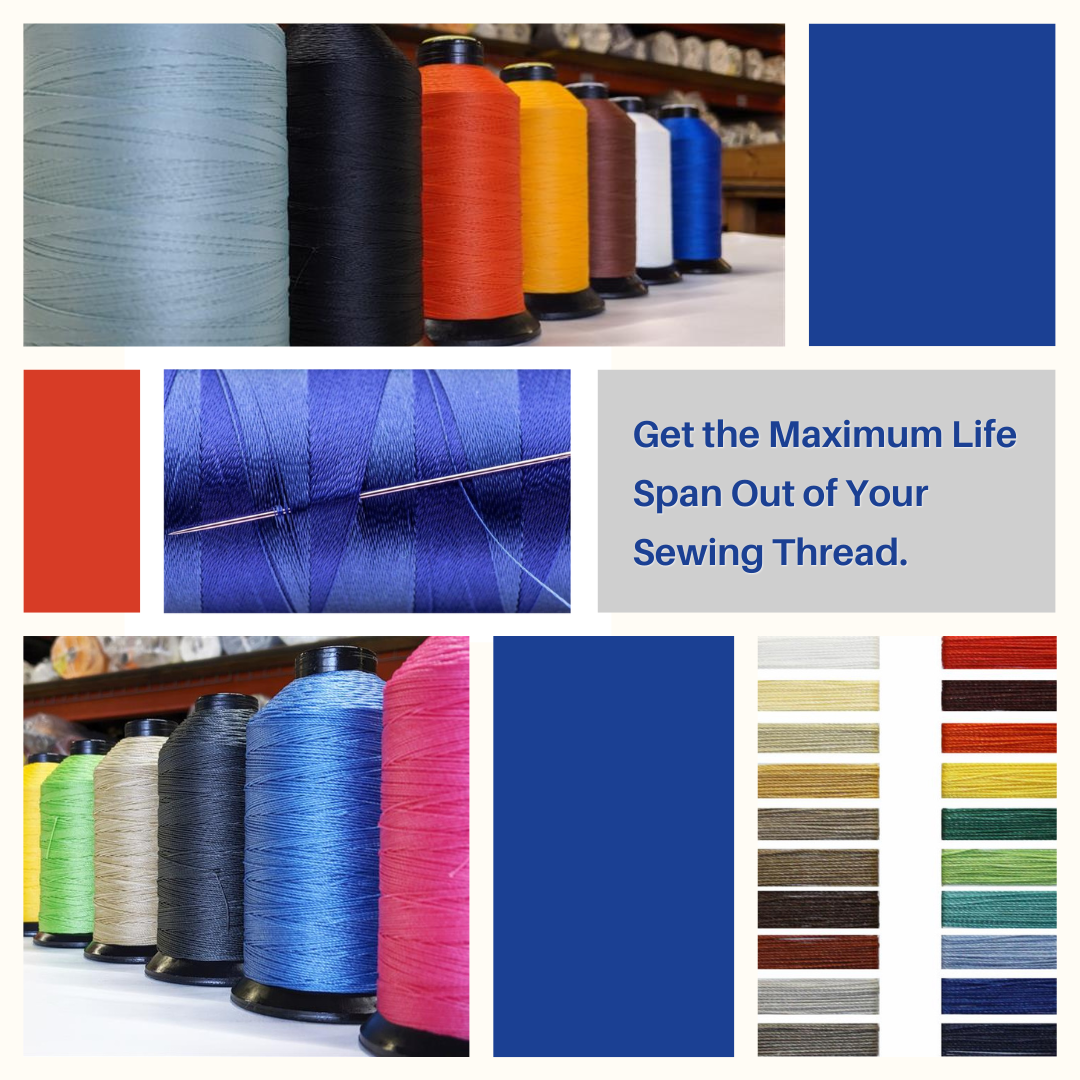
Any sewing thread you use will get old. Imagine starting a job with a spool of thread that has been sitting on a hot shelf for 3 or 4 years. You are halfway through the job, and it snaps, then snaps again. This could also happen to the thread you bought last year if it is not stored properly. While the normal shelf life for a spool of thread is about 2 years, here are some best practices to ensure you get the maximum life from your thread.
Sewing Thread Storage Tips
You can store and organize your thread and bobbins to help maintain their strength. Key factors to consider when storing your thread are light, temperature, cleanliness, and humidity. One of the best practices is to store your thread in a bag or box that is out of direct sunlight. This will keep dust and dirt off the thread, keeping it clean for future use. Dust and dirt can cause many problems during sewing. You also want to make sure your thread storage isn't in a damp or humid area, as this can damage your thread over time. Try to control the temperature in your storage room. If the room has windows, hang fabric or blackout curtains to keep the temperature down. You want your thread storage room to remain at a stable temperature.
How to Test Your Sewing Thread
Another best practice when it comes to thread is to test the thread prior to using it. There are a few different ways to do this. First, give it the tug test. Hold the thread in both hands and give it a gentle tug to make sure it still has its strength and hasn’t deteriorated any. It should have the same amount of strength as the day you received it. Another test to use is the upside-down test. Turn the spool upside down to see if the thread comes off smoothly. Dirt on the thread or the bond breaking down could hinder that. To make sure there’s no color transfer, sew a test piece of the fabric with the thread. Leave it out overnight to ensure there is no color transfer.
Next Steps
By using these best practices for thread, you’re guaranteed to get the maximum life span out of your thread. Ready to elevate your next sewing project? Explore Miami Corp’s top-quality sewing threads online now by clicking on one of the links below, or connect with our experts at 800-543-0448 for tailored advice and dedicated service!